Brookdale Alliance Center for Health San Antonio
Brookdale Alliance Center for Health Maintenance is an outpatient facility for adults with substance use and co-occurring mental health needs. Among the 31 facilities listed for San Antonio on SAMHSA FindTreatment.gov, this center is one. Its program runs 30 days and includes detox, counseling, and specialized opioid support.

- Detox
- Outpatient
- Co-Occurring Mental Health
- 30 days
- Spanish spoken
Brookdale Alliance Center for Health Maintenance is an integrated outpatient facility for adults, treating substance use disorders alongside mental health conditions that occur together. Instead of addressing one issue alone, the center builds one plan covering both, so care for opioid use and a co-occurring condition is coordinated rather than split between providers. At the San Antonio center, this integrated approach treats substance use and mental health together.
Care here is shaped around each person and delivered with compassion. In its own description, the center calls its work empathetic and says it helps people reach and hold onto recovery that lasts. Therapy, counseling, and focused help for opioid use disorder are all part of what is offered, delivered on an outpatient basis as shown in SAMHSA listings. Outpatient care for opioid use disorder and co-occurring conditions is available at this San Antonio facility.
Programs at Brookdale Alliance Center
Based on SAMHSA-listed care options, levels of care at this San Antonio center include detox, outpatient treatment along with mental health needs alongside substance use. Programs typically last 30 days. Therapies include individual counseling and cognitive behavioral therapy, medication-assisted treatment, and online therapy. The center also lists specific support for opioid use disorder among its services. Brookdale Alliance offers detox, outpatient and mental health needs plus substance use in San Antonio.
Detox is the most intensive starting point, while outpatient suits people who can attend sessions without living at the facility. Because detox can carry withdrawal risks, a clinical assessment before starting is important. If you are uncertain which level of care matches, ask the center directly rather than assuming. When you are unsure which level of care fits, ask the center directly instead of assuming.
- 1-on-1 Counseling
- Online Therapy
- Medication-Assisted Treatment
- Cognitive Behavioral Therapy
Who Brookdale Alliance serves
- Men seeking outpatient care for substance use and co-occurring conditions
- Women, including those with perinatal mental health needs
- Older adults who need integrated medical and behavioral health support
- Young adults early in their treatment experience
- People with opioid use disorder, anger concerns, or co-occurring disorders
- Spanish-speaking adults, as the center lists both English and Spanish
The setting on Harry Wurzbach Road
The center is located at 3251 Harry Wurzbach Road in San Antonio, Texas. That address places it in the city's northeast medical corridor, near major roads for people driving in for outpatient visits. As an outpatient facility, it does not provide residential housing on site; sessions happen during scheduled visits, so daily routines at home continue between appointments. Brookdale Alliance Center for Health Maintenance is located at 3251 Harry Wurzbach Road in San Antonio.
Paying for care at Brookdale Alliance
The center's listing does not publish payment details, so cost questions should go directly to its staff. Texas Medicaid may cover some outpatient behavioral health services depending on eligibility, and the federal parity law can affect how insurance handles mental health and substance use benefits. If cost is the deciding factor, verify coverage with both the center and your insurer before scheduling an assessment. If cost is the deciding factor, verify coverage with both the center and your insurer before scheduling.
Questions to ask Brookdale Alliance
- Does the 30-day program length change for detox versus standard outpatient care?
- Which insurance plans and Texas Medicaid are accepted for outpatient services?
- How is medication-assisted treatment scheduled alongside one-on-one counseling?
- What does the perinatal mental health support look like for women in the program?
- Are online therapy sessions available in Spanish as well as English?
- What aftercare options, such as employment counseling or support meetings, follow discharge?


Nearby facilities in San Antonio
-
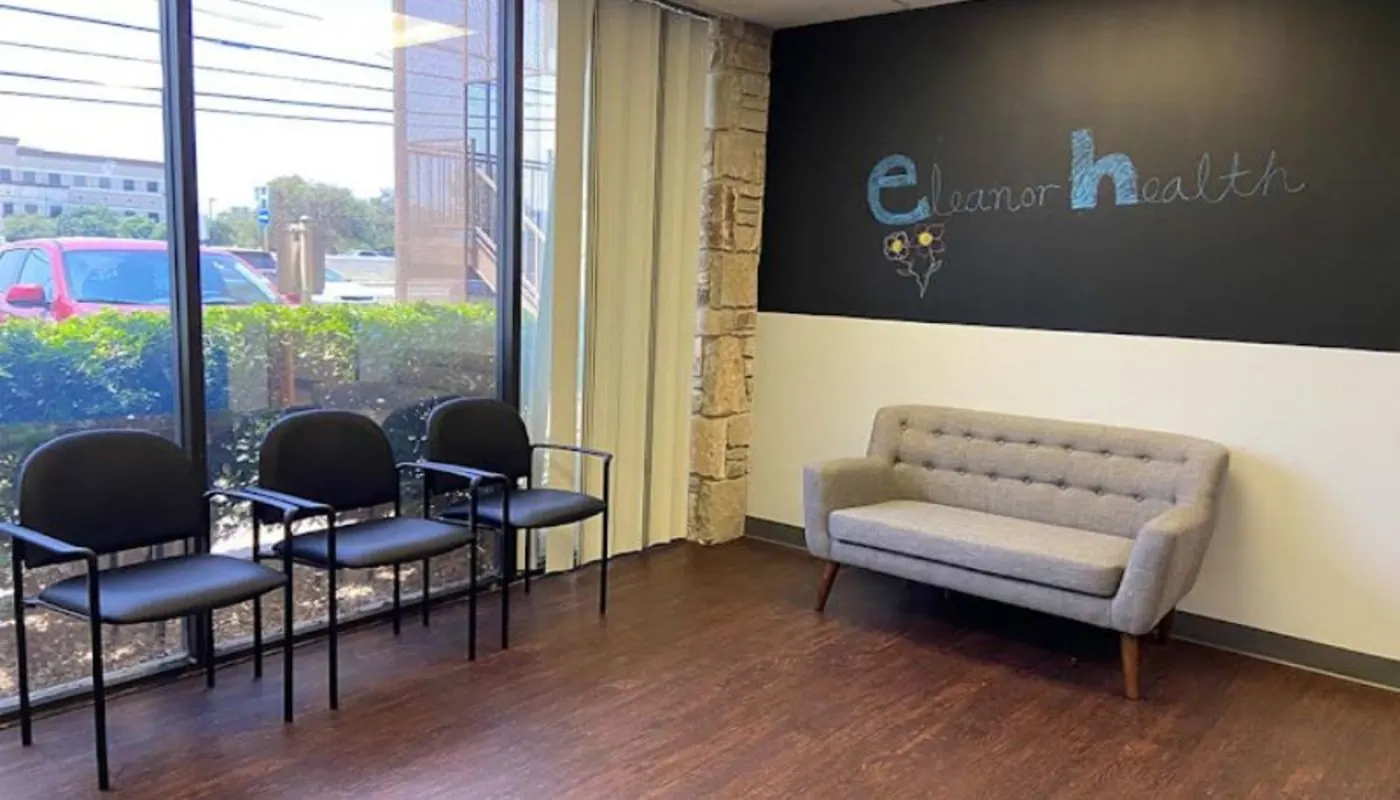
Eleanor Health San Antonio
4.1/526 Google reviews
Standard duration 5 daysSan Antonio, TX
- Outpatient
Eleanor Health San Antonio is an outpatient clinic at 8500 Village Drive Suite 101, ZIP 78217.
-
Center for Healthcare Services NAS
2.7/53 Google reviews
Standard duration 30 daysSan Antonio, TX
- Residential Rehab
- Sober Living
This page covers the Center for Healthcare Services NAS, a residential rehab in San Antonio.
-

Rise Inspire Academy
4.7/558 Google reviews
Standard duration 30 daysSan Antonio, TX
- Co-Occurring Mental Health
Rise Inspire Academy San Antonio serves teenagers as a recovery high school.
-

Esperanza Eating Disorders Center San
4.3/511 Google reviews
Standard duration 30 daysSan Antonio, TX
- Joint Commission
- Outpatient
Esperanza Eating Disorders Center San Antonio treats eating disorders at 140 Heimer Road.
-

Laurel Ridge Treatment Center
2.8/5769 Google reviews
Standard duration 30 daysSan Antonio, TX
- Joint Commission
- Residential Rehab
Laurel Ridge Treatment Center San Antonio provides residential rehab for substance use and mental health conditions.
-
Center for Health Care Services
4.0/58 Google reviews
Standard duration 30 daysSan Antonio, TX
- Residential Rehab
- Detox
- Outpatient
The Center for Health Care Services - Crisis Care provides detox, residential rehab, and outpatient care in San Antonio.
Questions
Is Brookdale Alliance Center for Health San Antonio an inpatient facility?
No. According to SAMHSA listings, Brookdale Alliance Center for Health Maintenance offers outpatient care, co-occurring mental health, and detox treatment, not residential inpatient care. People attend scheduled sessions while living at home. A typical program lasts 30 days. If you need 24-hour residential care, the referral line can point you toward other options among the 31 listed San Antonio facilities.
Does Brookdale Alliance treat opioid use disorder?
Yes. The center lists opioids among the substances it treats and includes medication-assisted treatment among its therapies. That combination is common for opioid use disorder, where medication and counseling often work together. Because medication decisions require a clinical assessment, then the center's staff are the right people to explain what it offers. Ask specifically how medication-assisted treatment fits the 30-day program length.
How long do people stay in the Brookdale Alliance program?
According to the center's SAMHSA listing, programs usually run 30 days. That number can differ from one person to the next and from one level of care to another, particularly if detox comes first. Outpatient schedules may stretch past the first month into aftercare, including employment counseling or support meetings. If co-occurring mental health needs are part of your situation, ask whether the plan goes beyond the standard 30 days.
How can I find out what Brookdale Alliance costs?
Prices are not published in the center's listing, so the only reliable source is the center itself. Call and ask which insurance plans and Texas Medicaid it accepts, and whether a sliding scale exists. The federal parity law can affect how plans cover substance use treatment, though it does not promise a specific benefit. The helpline can also explain general coverage questions before you call the center.
What should I ask Brookdale Alliance about its 30-day program?
Start with how the 30-day length applies to your situation, since detox or co-occurring care may change the schedule. Ask which therapies are included, such as cognitive behavioral therapy or online sessions, and whether Spanish-language services are available. If you have opioid use disorder, then confirm how medication-assisted treatment is arranged. Also ask what aftercare, like employment counseling or support meetings, follows discharge.